

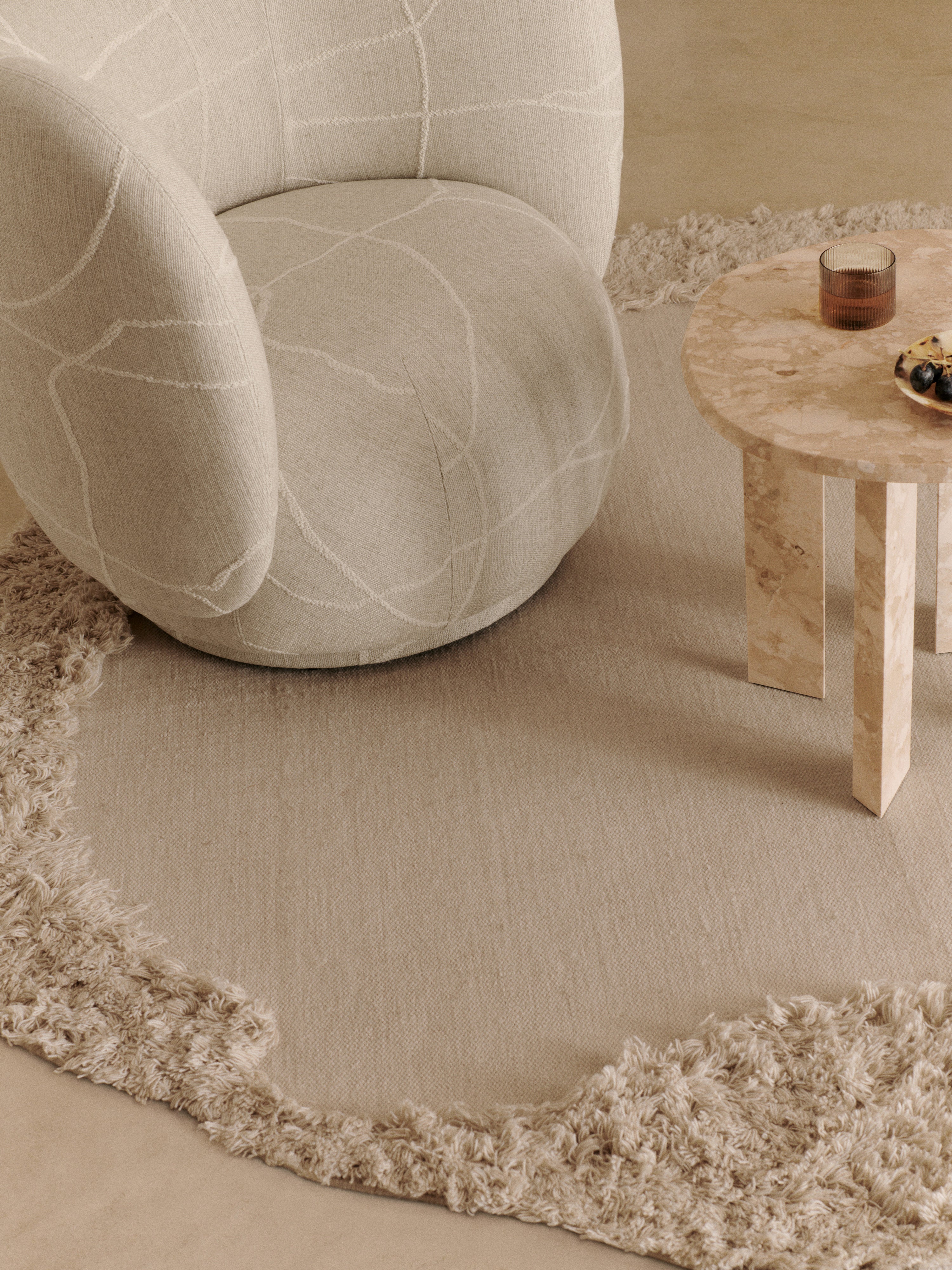

There are styles that quickly become boring. And there are those that last for years. The style Japandi definitely belongs to the latter category – it combines Japanese simplicity with Nordic warmth, creating spaces that are calm, functional, and timeless.
What is Japandi style about? It is a harmonious combination of the Japanese wabi-sabi philosophy and Scandinavian minimalism, which together create a unique aesthetic for interiors. Japandi style combines inspirations from Japan and Scandinavia, focusing on simplicity, natural materials, and functionality. It promotes harmony and calm, giving interiors a cozy atmosphere, ideal for those seeking relaxation in everyday life.
It is the perfect answer to the need for tranquility and quality. If you are wondering how to introduce Japandi style into your interior, the key lies in balance – between minimalism and coziness.
Japandi style in practice
What is Japandi style and why does it work? Colors – muted tones as a calm base that creates the atmosphere Natural materials – the heart of the Japandi style Furniture – less, but with character Lighting – soft and diffused Accessories – limited but significant Mistakes to avoid How to introduce the japandi style step by step? Inspirations and Ideas Summary

What is Japandi style and why does it work?
Japandi style is characterized primarily by minimalism, functionality, and the use of natural materials. The main features of this style are simplicity, harmony, spaciousness, and order, achieved through a combination of inspiration from Japanese and Scandinavian styles. Japandi interiors are spacious and orderly, as minimalism and functionality allow for the reduction of unnecessary decorations and a focus on practical solutions.
In Japandi interior design, natural materials play a key role – wood, bamboo, and rattan dominate here, with solid wood furniture being particularly valued. In Japandi, natural materials such as wood, bamboo, rattan, or stone give interiors an authentic, cozy, and harmonious character.
An integral part of Japandi style is wabi-sabi philosophy, which celebrates the beauty of imperfection and naturalness.
It is a style that does not overwhelm – it only organizes space and thoughts.

Colors – muted tones as a calm base that creates the atmosphere
Color is one of the most important elements of Japandi style.
Dominating:
broken whites
beiges and shades of sand
warm grays
muted greens


Japandi style is dominated by muted tones and earth colors, which form the basis of the color palette. Interiors are kept in neutral colors such as beiges, grays, or natural wood shades, creating a calm and harmonious atmosphere. In Japandi, loud colors are avoided in favor of harmony and coherence in the arrangement. The appropriate selection of the color palette is crucial for the coherence of the interior.
It's a palette that creates harmony in interiors and has a soothing effect. Thanks to it, Japandi interiors are cohesive and timeless. In Japandi, contrasts are avoided – instead, subtle tonal transitions are used.

Natural materials – the heart of the Japandi style
There is no Japandi without nature. Natural materials in interiors are absolutely essential. In Japandi, natural materials such as wood, bamboo, and rattan are key to this style, as each element of the interior should be carefully selected to support minimalism, functionality, and harmony of the space.
The most common include:
wood (light and darker, especially in the form of natural wood and solid wood)
linen and cotton
ceramics
stone
Wooden furniture made from natural or solid wood is an important element of the interior, adding a cozy character and creating a warm atmosphere. The materials should not be perfect – their slight imperfections build authenticity. The more "raw" the texture, the better it fits the Japandi aesthetic. In a Japandi kitchen, natural materials like wood and stone should prevail.


Furniture – less, but with character
Japandi furniture is simple, low, and functional, characterized by straightforward forms and clean lines, which emphasize their functionality and minimalist nature. They do not dominate the space but define it, introducing Scandinavian simplicity and harmony.
It's worth arranging a Japandi-style living room by choosing low furniture, such as low beds, sofas, or low tables that are light and do not overwhelm the space. Choose furniture made from natural materials like wood, bamboo, or rattan – each element of the decor should be thoughtfully selected and serve a specific purpose. Avoid an excess of furniture and decorations to maintain spaciousness and tranquility in a Japandi-style living room. This style also works well in other rooms of the house, from the living room to the kitchen and bedroom.
Designer furniture in this style is not decorative – its strength lies in proportion and quality. The principle of "negative space" is often applied – intentionally leaving empty space around the furniture. In a japandi-style bedroom, it is advisable to avoid tall furniture, preferring low beds.


Lighting – soft and diffused
Light in japandi style is neither harsh nor focused. It is essential to use soft and warm light that builds a calm, harmonious atmosphere.
Interior lighting should be:
warm
soft
diffused
The japandi style utilizes warm, diffused light from lamps and large windows to create a cozy atmosphere.
Designer lamps inspired by rice paper or natural materials perfectly fit this aesthetic. Shades made of rice paper introduce an element of naturalness and tranquility into the interior, emitting soft, warm light. Lighting in japandi is meant to create an atmosphere, not dominate the space.

Accessories – limited but significant
Japandi-style accessories are key elements of the arrangement – they are very minimal yet thoughtful. Unnecessary embellishments are avoided, ensuring that each element of the arrangement has its significance and function, promoting relaxation and perfectly fitting into the minimalist and natural aesthetic of this style. Pay attention to the selection of accessories that will highlight the cozy character and Scandinavian warmth in your home. Appropriately chosen accessories, such as natural textiles, blankets or bedspreads, not only decorate but also promote relaxation and create a harmonious atmosphere.
Instead of many decorations:
one ceramic bowl
vase with a branch
natural textiles
Foliage, including live potted plants and bonsai trees, is an important decorative element that perfectly fits the japandi style and enhances the cozy character of the space. If you want to arrange an interior in japandi style, focus on accessories that harmoniously combine functionality with aesthetics and allow for personalization in your home.
Designer accessories for interiors should be cohesive and calm. The inspiration is the Japanese philosophy of wabi-sabi – beauty in imperfection.

Mistakes to avoid
Are you eager to create a japandi-style interior that reflects your pursuit of conscious design? The key to success here is a minimalist approach – a philosophy that allows your home to gain class and exceptional harmony. One of the most common mistakes is filling the space with an excess of elements, while the true beauty of japandi lies in carefully selected, functional simplicity. Your interior should breathe tranquility – let every piece of furniture be a thoughtful choice that builds an atmosphere of exceptional aesthetics.
Do you dream of a space that combines natural beauty with refined elegance? Conscious design in the japandi style requires a focus on authentic materials – wood, bamboo, or rattan will give your home warmth and natural class. Too extensive surfaces of dark colors can overwhelm the space, so use them wisely to maintain the cozy atmosphere you are passionately building. Remember, light is essential – gentle, warm lighting will highlight the calm character of your interior. With these thoughtful choices, your japandi space will become a place that truly lives in harmony and balance.

How to introduce the japandi style step by step?
If you want to know how to introduce the japandi style into your home, start with simple changes:
Limit the number of items – remove excess to create a space free from unnecessary elements
Introduce natural materials
Opt for a muted color palette
Choose simple, functional furniture, avoiding an excess of furniture and accessories
Ensure soft lighting
The japandi style is the perfect choice for those who value a space free from excess and wish to decorate their interiors in a style that combines harmony, functionality, and aesthetics. In the kitchen, the japandi style should blend functionality with aesthetics, providing comfort and beauty in everyday life. In the bathroom, using earthy colors and minimalist decorations will add elegance to the japandi-style interior and promote relaxation.
It’s a style that doesn’t require a revolution – just conscious decisions.
Inspirations and Ideas
Do you want to create an interior that breathes harmony and conscious design? The japandi style is a philosophy that combines the deep wisdom of Japanese wabi-sabi aesthetics with the Scandinavian approach to the beauty of simplicity. When you choose natural materials – wood, bamboo, or rattan – you make a conscious decision about the quality and authenticity of your space. A muted color palette dominated by noble earth tones, beiges, and grays is not just an aesthetic choice but a way to build a place that lives in tranquility and fosters true relaxation.
Your home will gain class and depth when you introduce soft throws, blankets, and cushions made from natural fabrics – every element matters in the process of creating a warm space. Tasteful accessories, minimalist ceramic forms, or single branches in a vase are conscious designs that highlight the unique aesthetics of your arrangement.
Plants? They bring an authentic element of nature, making your space a place that truly breathes. With these conscious choices, you will create a japandi interior that delights not only in the beauty of imperfections but, above all, in the harmony of functionality and true design quality.


Summary
Japandi Style is a harmonious blend of Japanese aesthetics and Scandinavian minimalism, which has gained popularity worldwide due to its functionality and cozy atmosphere that promotes relaxation and tranquility.
If you are looking for a way to create a japandi interior, focus on:
simplicity
quality
natural materials
stimulus reduction
Because the most beautiful interiors are those that promote relaxation and allow you to truly unwind.


