

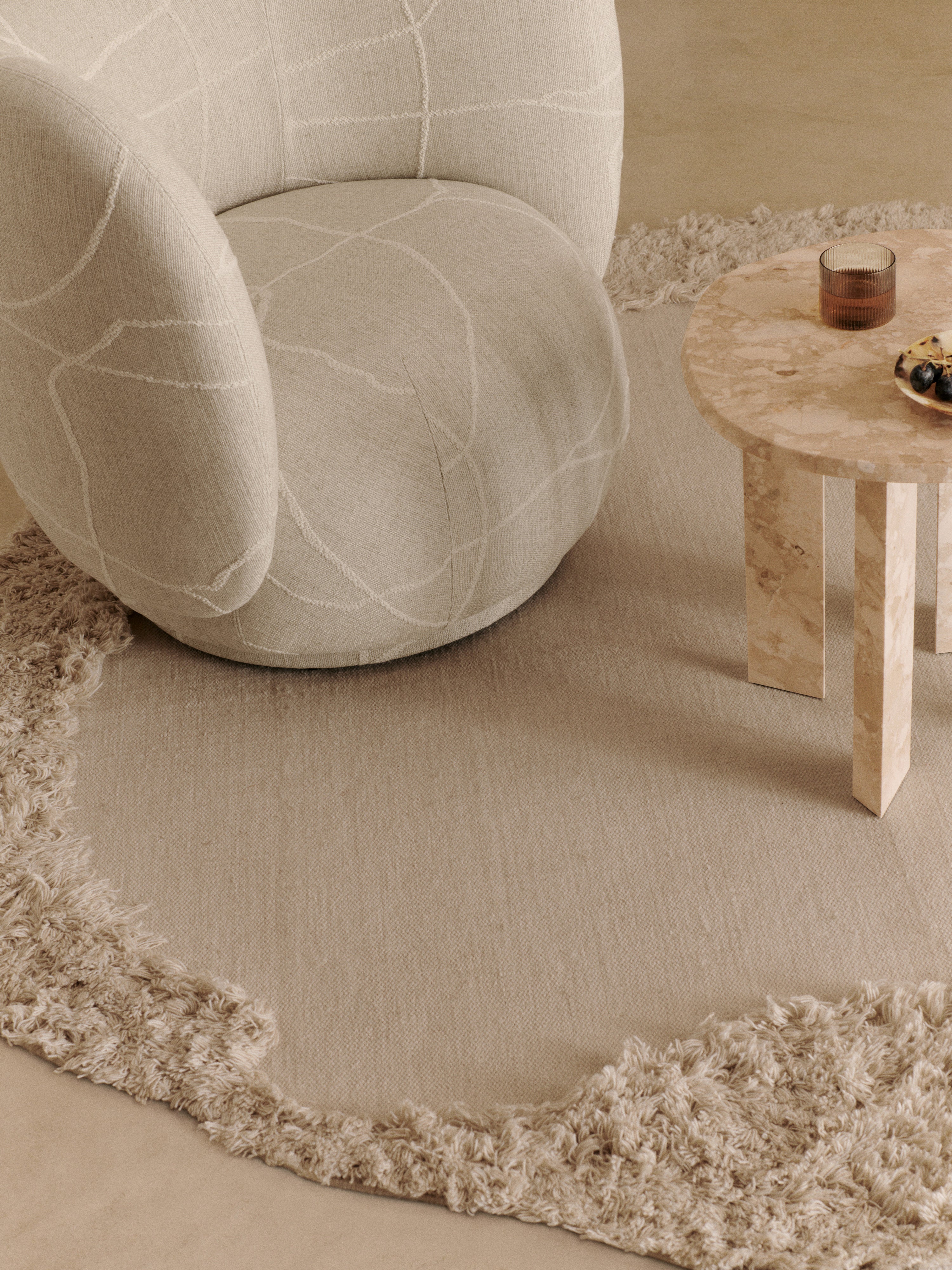

There are interiors that look good. And there are those that look like they came from a magazine. The difference rarely lies in the budget – much more often in the way the space is built. Color layers in the interior determine whether the space has soul or just a nice set of furniture.
One of the most important yet often overlooked elements is layering in the interior. It is what makes interior arrangements look deep, soft, and natural – rather than flat and random. The psychology of color constantly affects us, influencing our well-being and emotions, which is why the right choice of colors in the color palette is crucial for creating atmosphere.
Atmospheric layering involves working with a color family, allowing the eye to gently move through the space. The magazine-like interior effect is achieved by paying attention not only to color layers but also to details – such as lighting, textiles, or accessories – that give the space a professional look and unique character.
Layers in the interior – the secret of the "magazine" effect
What are layers in the interior? Layer 1: the base that builds tranquility Layer 2: textures that create atmosphere Layer 3: light that builds depth Layer 4: accessories that tie everything together Natural materials – the key to authenticity Layers in Practice – How to Do It Right? Most Common Mistakes Summary

What are layers in the interior?
Layers in the interior are nothing more than layering different elements – materials, textures, light, fabrics, and accessories – in such a way as to create a cohesive whole. Fabrics, such as curtains, cushions, or bedspreads, serve as a decorative layer, adding softness to the interior and allowing for seasonal style changes.
The layering principle involves starting with base elements, such as walls and floors, which form the foundation of the arrangement, and then adding furniture and accessories.
This approach can be seen in every good interior arrangement:
floor + rug
sofa + cushions + bedspread
general + side + decorative light
The 3-2-1 rule involves using three textures, two finishes, and one accent color. Interior arrangements that layer different textures and colors give depth to the space and make it look more interesting.
Interiors "like from a magazine" are almost never single-layered – they always have at least 3 levels of depth.

Layer 1: the base that builds tranquility
Every interior starts with a base.
This:
walls
floor
largest furniture
In a well-designed space, the base is calm and neutral. This allows the subsequent elements to "build upon" it.
Modern premium interiors often rely on beiges, grays, and natural materials – this creates a harmonious effect.
The calmer the base, the more you can "do" with accessories.

Layer 2: textures that create atmosphere
This is where the magic begins.
Textiles in interiors:
rug
curtains
cushions
throws
add softness and make the space feel more "alive."

In a well-designed space, different materials blend together:
linen
wool
wood
ceramics
Even if the color scheme is uniform, different textures ensure that the interior is not boring.

Layer 3: light that builds depth
Without light, there are no layers.
Lighting for interiors should be multi-level:
main lighting
side lighting
mood lighting
Designer lamps introduce an additional visual element and often act as decoration.
Side lighting (e.g., floor lamp) creates shadows that "draw" the interior and add depth to it.
Layer 4: accessories that tie everything together
This is the final stage – and the one that is easiest to ruin.
Interior accessories should:
be color-coordinated
have different heights and shapes
should not be random
Designer accessories for interiors They help to give the space character, but should not dominate.
The "3 elements" rule (e.g., candle + book + ceramics) is a classic in interior styling.

Natural materials – the key to authenticity
Have you ever wondered what makes some interiors captivating at first glance? It is the natural materials that give your home the authenticity and coziness you dream of. Wood, stone, or metal are not just finishing elements – they are the foundation of your daily harmony. They allow you to create a space that is both functional and full of the character you seek.
Are you drawn to Scandinavian simplicity? Light wood and minimalist finishes will bring the desired warmth and tranquility to your apartment. Or perhaps you are attracted to an industrial atmosphere? Raw walls, metal elements, and visible installations will give your interior a unique, loft-like character that will make your home stand out. Remember – natural materials are an investment in beauty that lasts for years. They are durable, easy to maintain, and timeless.
Do you want to avoid one of the most common mistakes in interior design? Instead of mixing too many materials and styles, focus on consistency – choose one or two dominant materials and apply them consistently in different areas of your interior. Wood works wonderfully both on your floor and in the form of furniture or decorative wall panels. Metal accents, such as lamps or sconces, will highlight the industrial vibe and add the modernity your home needs.
Do you know how important lighting is in your home? General lighting, such as ceiling lamps, should provide even light distribution throughout your space. Task lighting, like wall sconces or table lamps, should be placed where you need extra light – at your desk, above the table, or in your reading nook. With thoughtful lighting, the materials you use to build your interior will look even better, and your entire space will gain functionality.
Your natural materials have a huge impact on the atmosphere you create in your home. Warm browns of wood will make your space cozier, while cool stone or metal will introduce a touch of minimalism and modernity to your interior. When choosing materials, consider not only aesthetics but also your own needs and the lifestyle you lead.
Do you care about conscious choices? By choosing natural materials, you care for the environment and reduce waste – an approach appreciated by both designers and homeowners who value quality and responsibility. It's an investment in the future of your home and our planet.
Natural materials are the foundation of the authentic, cozy, and functional interior you dream of. Their thoughtful application, combined with appropriate lighting, allows you to create a space that delights not only in appearance but also in everyday comfort. Good design with natural materials knows no bounds!

Layers in Practice – How to Do It Right?
If you want to achieve a "magazine" effect, remember a few rules:
don't start with accessories – first, the base
combine different textures, even in the same color scheme
build light in layers
limit the amount of decorations, but choose them consciously
Good interior arrangement it's not a collection of things – it's the relationships between them.

Most Common Mistakes
Layering can easily be confused with excess.
What to Avoid:
too many accessories
lack of color consistency
one "flat" layer (e.g., just a sofa and nothing more)
If everything is equally visible, it means there are no layers.

Summary
Layers in the Interior it's one of the simplest ways to elevate the space – without renovation and major changes.
If you want to create an interior "like from a magazine":
build from the base
add textures
work with light
choose accessories consciously
Because it's not the individual elements that create the effect.
It's the way they are connected.


